Tree Roots in Drains: Signs, Causes & How to Fix Them
A tree in the backyard can provide welcome shade and make your property look great, but underground, its roots may be causing trouble you cannot see. If your toilet keeps backing up, your drains are slow or blockages return shortly after cleaning, tree roots could be part of the problem.
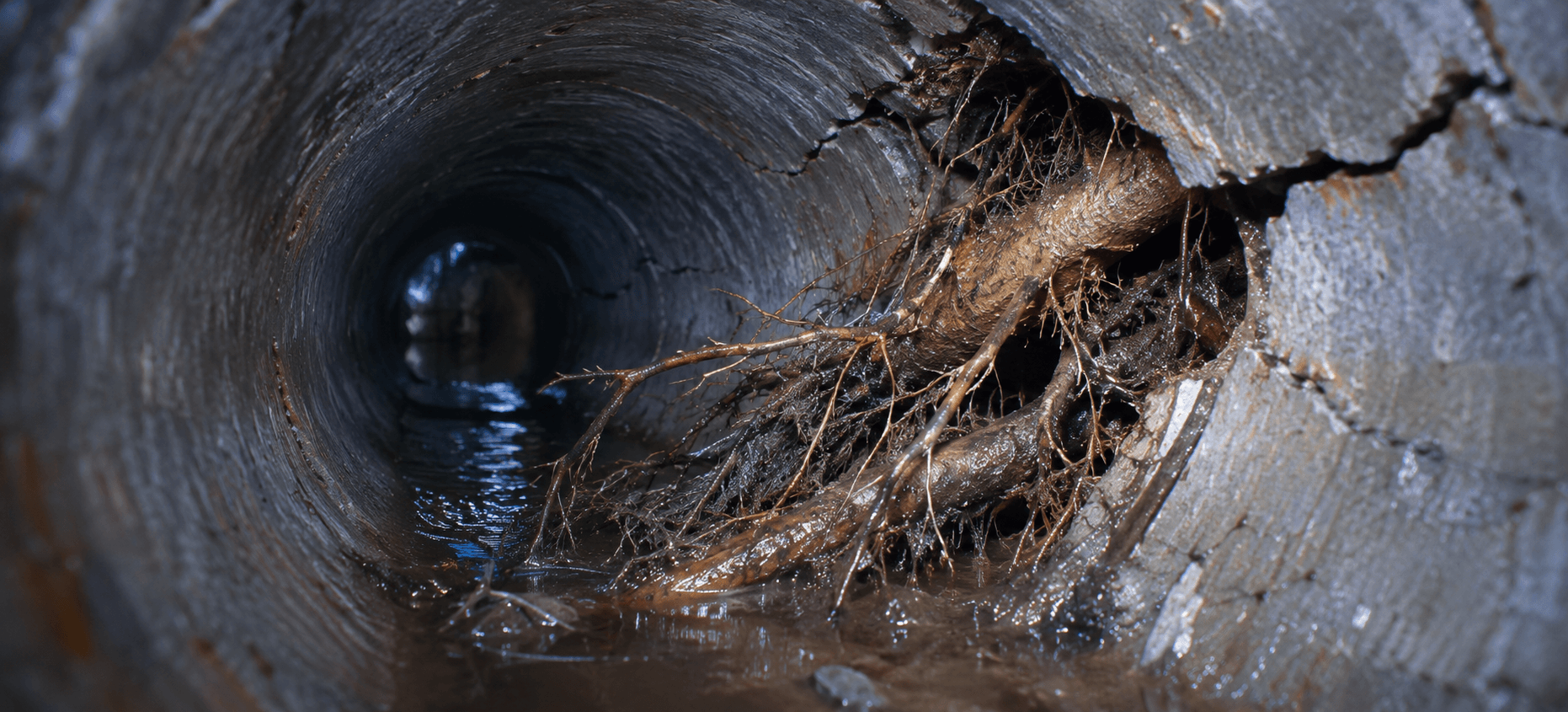
Tree roots in drains are a common cause of recurring plumbing issues, particularly in properties with older underground pipework. Roots can enter through small cracks, leaking joints and deteriorated seals, then spread inside the pipe until wastewater struggles to flow freely.
The tricky part is that these symptoms can resemble other plumbing problems. Pouring a drain cleaner down the sink or clearing the immediate blockage may not address the underlying cause.
The good news? Once the source of the problem has been identified, there are practical ways to remove the roots, repair affected pipes and reduce the likelihood of another blockage.
This guide explains the warning signs, why roots enter sewer pipes, how plumbers remove them and what you can do to help protect your drainage system in the future.
What Causes Tree Roots to Enter Drains?
Tree roots naturally grow towards suitable sources of moisture and nutrients. Underground drainage pipes can become attractive to them when wastewater escapes through a crack, loose joint or another defect.
Contrary to a common misconception, roots do not usually force their way into a sound, properly sealed pipe. Instead, they exploit weaknesses that already exist or develop as the pipe ages.
Once a root reaches a leaking section, it can grow through the opening and spread inside the drain.
Several factors can increase the likelihood of root intrusion.
- Ageing pipework: Older clay or earthenware drains may develop cracks and joint deterioration over time.
- Damaged seals: Connections between pipe sections can loosen or deteriorate, creating entry points.
- Ground movement: Changes in surrounding soil conditions can contribute to pipe displacement or cracking.
- Nearby vegetation: Trees and shrubs with extensive root systems may increase the risk where drainage pipes have existing defects.
- Previous pipe damage: A section that has been damaged by external pressure, poor installation or earlier repairs may be more vulnerable.
Melbourne homeowners can find further information in South East Water's guidance on preventing pipe damage from tree roots, which explains how roots affect underground pipes and why tree selection and pipe locations matter.
Understanding the early signs of tree root damage to pipes can help you investigate recurring blockages before they lead to more extensive drainage problems.
7 Signs You May Have Tree Roots in Your Sewer Line
Tree root intrusion does not always cause an immediate, complete blockage. In many cases, the symptoms develop gradually as roots accumulate inside the pipe.
Here are seven warning signs worth paying attention to.
1. Blockages That Keep Coming Back
One of the clearest warning signs is a drain that repeatedly blocks despite being cleared.
Roots can catch toilet paper, waste and other material moving through the pipe. As more debris becomes trapped, the opening available for wastewater to pass through becomes increasingly restricted.
If the same drain keeps causing trouble, particularly after professional clearing, it is worth investigating whether roots are involved rather than treating each blockage as an isolated problem.
2. Slow-Draining Sinks, Showers or Toilets
A partial obstruction can reduce the rate at which wastewater leaves your fixtures.
You might notice water taking longer to drain from a shower, a toilet emptying sluggishly or a sink that seems to struggle even after its trap has been cleaned.
These symptoms do not automatically mean you have roots in your drain pipe. Grease, foreign objects and other obstructions can cause similar problems.
However, persistent slow drainage across multiple fixtures may indicate an issue further along the shared drainage system.
3. Gurgling Sounds From Plumbing Fixtures
Unusual gurgling or bubbling sounds can occur when wastewater and air struggle to move through a restricted drain.
You may hear noises from a toilet when another fixture is used or notice bubbling in a nearby drain.
Air movement problems and ventilation faults can also cause these sounds, so they are not proof of root intrusion. If the noises accompany repeated blockages or slow drainage, a closer inspection may be warranted.
4. Multiple Fixtures Experiencing Problems
When several fixtures develop drainage issues around the same time, the cause may lie in a shared branch or the main sewer line rather than an individual sink or toilet.
Roots in the main drain line can restrict wastewater leaving multiple parts of a property.
If several fixtures are affected, avoid assuming that each one needs a separate repair. Identifying where the drainage system is restricted can help narrow down the problem.
5. Unpleasant Sewer Smells
Persistent sewer-like odours around drains or outdoor inspection openings can indicate a drainage fault.
Root intrusion may contribute to waste accumulation and restricted flow, but smells can also result from dry water traps, ventilation problems or leaking pipes.
If an unpleasant smell continues alongside other warning signs, have the drainage system assessed to establish the likely cause.
6. Wastewater Backing Up
A more serious warning sign is wastewater rising through a floor waste, shower drain or toilet.
A significant obstruction in the sewer line can prevent wastewater from leaving the property normally. Root intrusion is one possible cause, although other severe blockages can produce the same result.
Stop using affected fixtures where possible and arrange urgent plumbing assistance. If sewage is overflowing, avoid direct contact and keep children and pets away from the affected area.
7. Previous Root-Related Blockages
If your property has a history of root intrusion, another blockage may indicate that roots have regrown or that the original pipe defect remains unresolved.
This is particularly relevant when earlier work involved removing roots without repairing the damaged section.
A history of repeat problems is a good reason to investigate the condition of the pipe rather than relying on another temporary clearing.
How Can You Confirm Roots in Your Drain Pipe?
Symptoms can suggest a problem, but they cannot reliably tell you what is happening underground. The next step is to establish whether roots are actually present and assess how much of the pipe is affected.
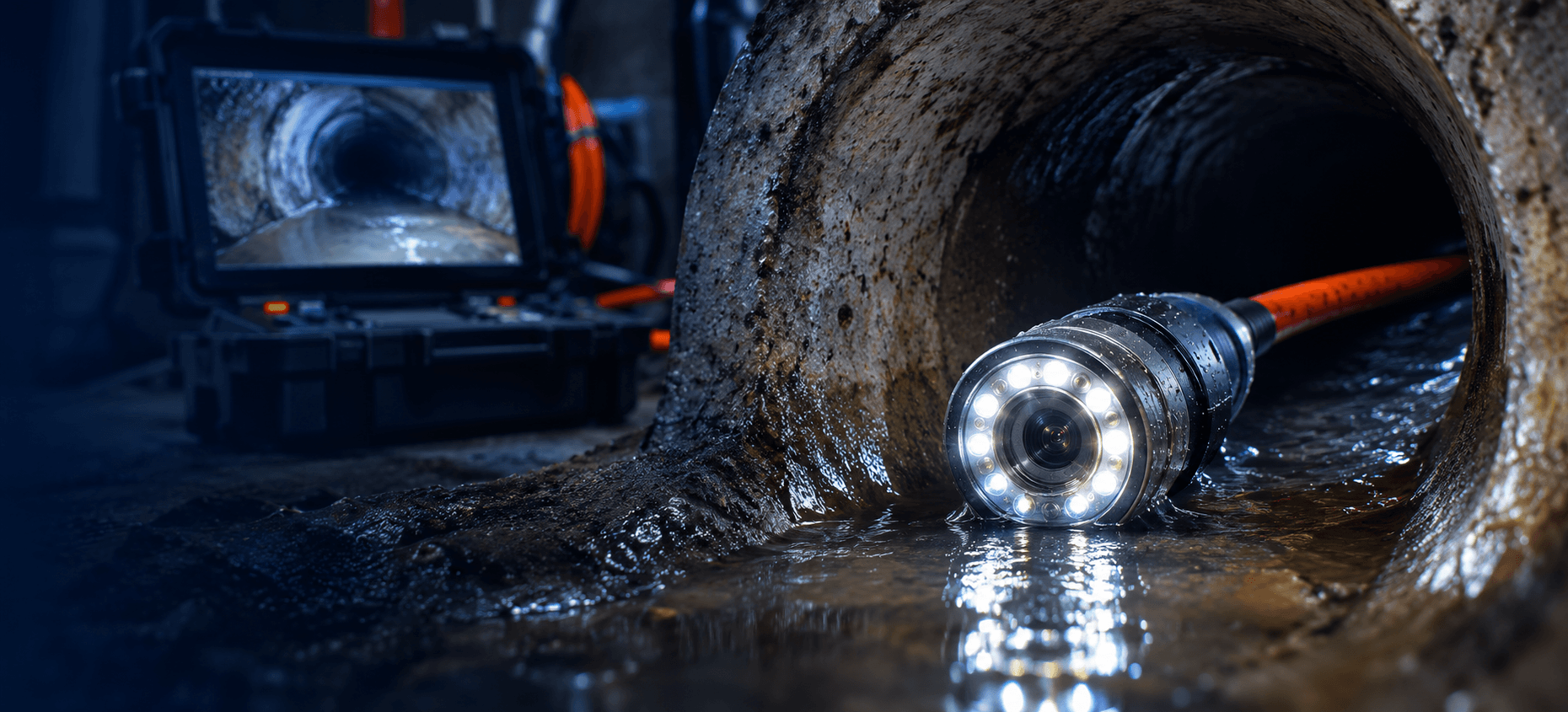
A CCTV inspection can help confirm root infiltration in the sewer line, locate the entry point and assess whether the surrounding pipework is damaged.
CCTV Inspection of the Drain
A CCTV inspection allows a plumber to examine the inside of an accessible drain using a specialised camera.
The footage may reveal fine roots entering through a joint, a mass of roots restricting the pipe or damage surrounding the affected section.
This information helps determine the location of the obstruction and whether the pipe appears suitable for root removal, further repair or another solution. A CCTV drain inspection in Melbourne can help identify the cause of recurring drainage problems before the appropriate repair is chosen.
Assessing the Condition of the Pipe
Finding roots is only part of the investigation. The plumber also needs to assess the surrounding pipe to understand why the roots entered and whether the structure remains serviceable.
For example, a small amount of root growth through a defective joint presents a different repair challenge from extensive root intrusion accompanied by multiple cracks.
The inspection findings help determine whether clearing the roots is likely to be sufficient or whether the pipe also needs repairing.
How to Remove Tree Roots From Sewer Pipes
The right removal method depends on the size of the root mass, the pipe material, the location of the blockage and the condition of the drain.
Professional methods are generally preferable when roots have caused recurring blockages or when the extent of pipe damage is unknown.
Mechanical Root Cutting
Specialised cutting equipment can be used to remove roots growing inside suitable drainage pipes.
The equipment is introduced through an access point and operated to cut back the root mass, allowing wastewater to flow more freely.
Mechanical removal can be effective for established root obstructions, but it does not automatically repair the opening through which the roots entered.
The plumber should also consider whether the pipe is strong enough to withstand the removal process without sustaining further damage.
High-Pressure Water Jetting
High-pressure water jetting uses specialised equipment to dislodge and flush suitable obstructions from drainage pipes.
It can be useful for removing accumulated debris and may form part of a broader cleaning process following root removal.
However, jetting is not suitable for every pipe condition. The equipment and pressure must be selected according to the pipe material, damage and type of obstruction.
If the drain is severely deteriorated, the plumber may recommend a different approach.
DIY Root Removal: Is It Worth Trying?
Homeowners sometimes turn to chemical drain cleaners, salt, vinegar or other household treatments in the hope of dissolving roots.
These methods should not be relied on to clear an established root blockage or repair damaged pipework. Household products may be ineffective against substantial root masses, and unsuitable chemicals can create additional risks for people, plumbing materials and the environment.
Mechanical tools used without the right experience can also damage fragile pipes or become lodged in the drain.
The best approach depends on the severity of the blockage and the condition of the pipe. Removing tree roots from sewer pipes using professional methods rather than DIY techniques can help clarify when specialist equipment is needed and why attempting to clear roots yourself may not resolve the underlying problem.
When roots are causing repeated issues, a professional assessment is generally the safer way to determine how to clear the drain without overlooking potential pipe damage.
Can You Kill Tree Roots in Sewer Pipes Permanently?
Killing roots and resolving root intrusion are two different things.
A treatment may affect roots inside the pipe, but it will not necessarily seal a leaking joint, close a crack or restore a damaged pipe section. If the entry point remains, new roots may grow into the same area.
That is why a lasting solution often involves two stages: removing the existing root obstruction and addressing the defect that allowed it to develop.
The appropriate repair depends on what the inspection reveals. A plumber may recommend monitoring, further maintenance, a targeted repair, relining or replacing the affected section.
Chemical root treatments also have limitations, and their suitability depends on the product, pipe system and applicable requirements. They should not be treated as a substitute for assessing damaged drainage infrastructure. Killing tree roots in sewer pipes with root killers or dissolving treatments may help explain the limitations of these products and why treating the roots alone may not prevent another blockage.
How to Stop Tree Roots From Coming Back
Preventing another blockage starts with understanding why the roots entered the pipe in the first place.
Once the obstruction has been removed, consider the following steps.
Repair the Damaged Pipe Section
If the roots entered through a crack or defective joint, repairing the defect can help reduce the chance of another intrusion at that location.
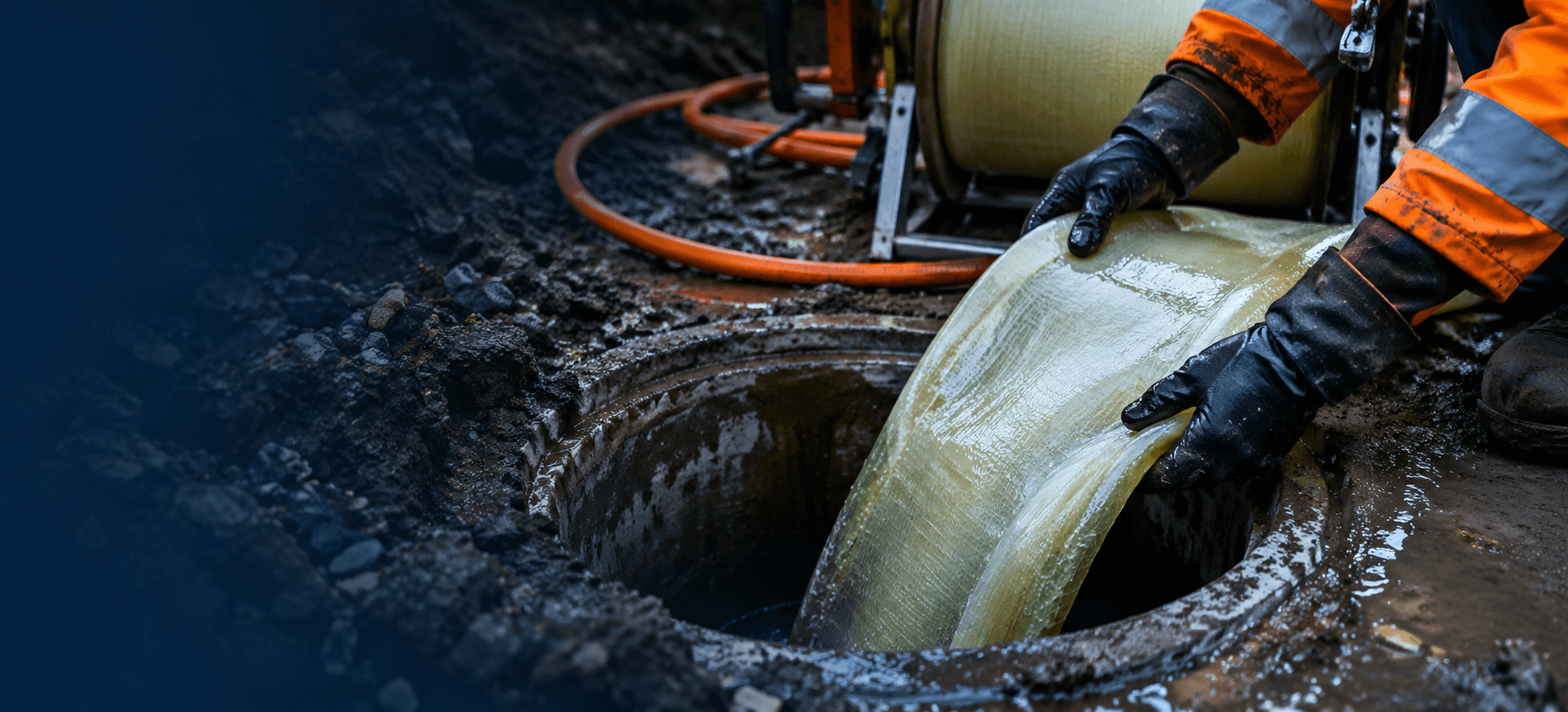
Depending on the pipe's condition, the solution may involve a localised repair, pipe relining or replacement.
The right method should be based on the inspection findings rather than selected solely on cost or convenience.
Choose Trees Carefully Near Underground Pipes
Before planting new trees, establish where your underground drainage lines run and consider the mature size and root characteristics of the species.
Trees with extensive root systems may require more careful placement, particularly around older drainage infrastructure.
South East Water recommends checking underground pipe locations and considering tree selection before planting. The aim is to avoid preventable conflicts between growing vegetation and essential services.
Consider Ongoing Drain Maintenance
If a property has a history of root intrusion, periodic assessment may help identify recurring problems before they develop into major blockages.
The appropriate maintenance interval depends on the condition of the pipe, previous root growth and the likelihood of further intrusion.
A plumber can recommend whether routine inspections or other preventative measures are worthwhile for your property.
Understand Which Trees Pose a Greater Risk
Different species have different growth habits, and their potential impact depends on factors such as root characteristics, planting distance and the condition of nearby pipes.
There is no single distance that guarantees every tree will be safe around every drain.
Choosing suitable trees and considering where they are planted can help reduce future problems. Trees that can damage sewer pipes and how to prevent roots from returning explores the factors worth considering before planting near underground drainage lines.
When Should You Call a Professional for Tree Root Removal?
Not every drainage issue requires emergency attendance, but certain symptoms should not be ignored.
Arrange a professional assessment if:
- The same drain blocks repeatedly.
- Multiple fixtures are draining slowly or backing up.
- You have previously had roots removed from the sewer line.
- A plumber suspects pipe damage or a significant obstruction.
- You notice wastewater overflowing from an inspection opening or internal fixture.
If sewage is backing up into your home or overflowing outside, seek urgent plumbing assistance.
A professional can assess the symptoms, inspect the affected section where accessible and recommend a suitable removal method. This is especially important when the drain is older or the extent of the damage is unclear.
Book Tree Root Removal and CCTV Inspection in Melbourne
When roots keep blocking your drain, clearing the immediate obstruction may only buy you time. Finding out why the roots entered the pipe is an important step towards choosing a more reliable solution.
247 Drain provides tree root removal services in Melbourne to help property owners deal with root-related drainage problems. A suitable CCTV inspection can help establish where the roots are growing and assess the condition of the affected pipe.
Book a tree root removal service with a CCTV inspection to investigate the problem and determine what needs to be done next.
Whether you are dealing with a recurring sewer blockage or suspect roots have entered an underground drain, getting the right assessment can help you move towards a practical solution.