CCTV Drain Inspection Melbourne: How It Works, What It Finds & When You Need One
Drain problems are not always easy to diagnose. A slow-draining sink, recurring blockages, unpleasant smells or water backing up through your drains could point to an issue hidden deep inside your pipes. Clearing the blockage might provide temporary relief, but it will not necessarily fix the underlying problem.
That is where a CCTV drain inspection can help. Using a specialised waterproof camera, a licensed drainage professional can inspect the inside of your pipes, identify potential damage and determine what is causing the problem.
In this guide, we explain how a CCTV plumbing inspection works, what it can uncover, when you need one and how to decide whether it is the right solution for your property.
What Is a CCTV Drain Inspection?
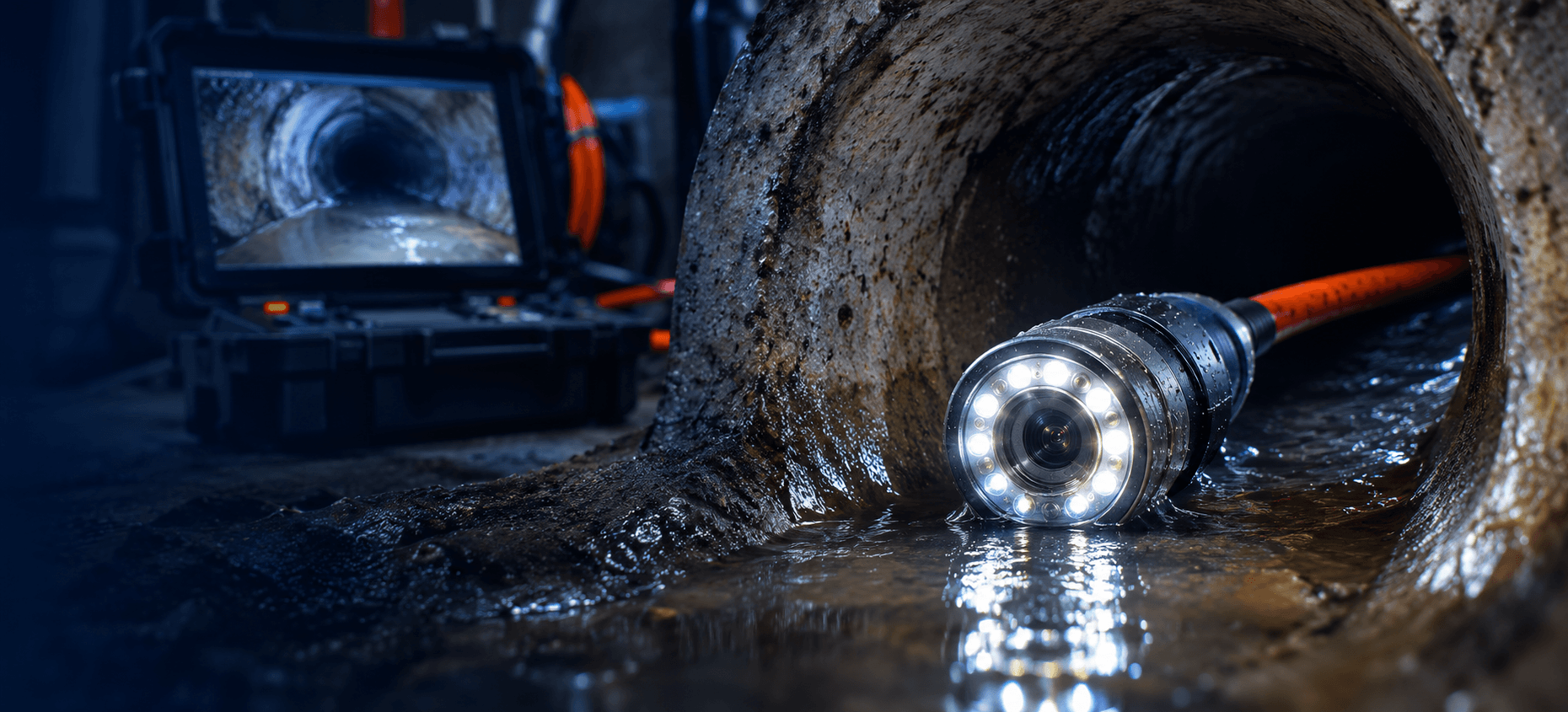
A CCTV drain inspection uses a specialised camera to examine the inside of a drainage pipe. The camera is attached to a flexible cable or a suitable inspection system and inserted into the drain through an accessible opening.
As the camera moves through the pipe, it sends live video footage to a monitor, allowing the drainage professional to see what is happening inside the system.
Unlike traditional drain investigations that may rely on symptoms or trial and error, a CCTV camera drain inspection provides a direct view of the pipe’s internal condition.
It can help identify problems such as:
- Tree roots growing into drainage pipes.
- Cracked, damaged or broken pipes.
- Grease, sludge and other material restricting water flow.
- Foreign objects causing blockages.
- Pipe joints that have shifted or separated.
- Corrosion or deterioration in older pipes.
- Structural issues that may require repair or replacement.
The inspection can also help determine whether a blockage is isolated or whether there is a more significant issue affecting the drainage system.
The main benefit is simple: instead of guessing what is wrong, you can make an informed decision based on what the camera reveals.
How Does a CCTV Drain Camera Inspection Work?
A professional CCTV drain camera inspection generally follows a straightforward process. The exact method depends on the type of drain, the location of the problem and whether the pipe is accessible.
1. Assessing the Drainage Problem
The first step is understanding what is happening at your property.
Your plumber may ask whether you have noticed slow drainage, recurring blockages, gurgling sounds, unpleasant smells or water backing up through fixtures.
They will also consider the affected area and any previous drainage work. For example, a blockage that repeatedly returns in the same location may indicate an underlying issue rather than a simple build-up of debris.
This initial assessment helps determine where the camera should be inserted and which sections of the drainage system need attention.
2. Accessing the Pipe
The camera is introduced through a suitable access point, such as an inspection opening or an accessible drain entry.
The plumber selects an appropriate camera system based on the pipe’s diameter, layout and condition. Smaller pipes may require compact camera equipment, while larger drains may need a different setup.
In many cases, an inspection can be completed without digging up the garden, driveway or flooring. However, access limitations, severe blockages or collapsed sections may affect how much of the pipe can be inspected.
3. Moving the Camera Through the Drain
During the inspection, the camera travels through the pipe and transmits live footage to a monitor.
The plumber examines the internal pipe surface, joints and any visible obstructions. They may move the camera back and forth or adjust its position to get a clearer view of a suspected problem.
Some systems also provide distance measurements, helping the operator estimate where an issue is located along the pipe.
This is particularly useful when planning a repair, as knowing the approximate location of damage can help reduce unnecessary excavation.
4. Identifying the Cause of the Problem
As the camera moves through the drain, the plumber looks for signs of blockages, damage, root intrusion and other defects.
A CCTV drain camera survey can help distinguish between different causes of similar symptoms. For instance, a slow drain could result from grease accumulation, an obstruction, tree roots or a damaged section of pipe.
These problems may require different solutions, so identifying the likely cause is an important part of the process.
5. Explaining the Findings and Next Steps
Once the inspection is complete, the plumber explains what was found and recommends an appropriate course of action.
Depending on the results, this could involve clearing a blockage, removing tree roots, repairing a damaged section or considering pipe relining.
If further investigation is required, the plumber should explain what could not be confirmed and why.
The aim is to help you understand the condition of your drainage system and choose a suitable solution rather than proceeding with repairs blindly.
What Can a CCTV Pipe Inspection Find?
A CCTV pipe inspection can reveal a range of problems that are difficult to identify from outside the pipe. Here are some of the most common findings.
Tree Roots Growing Inside Drain Pipes
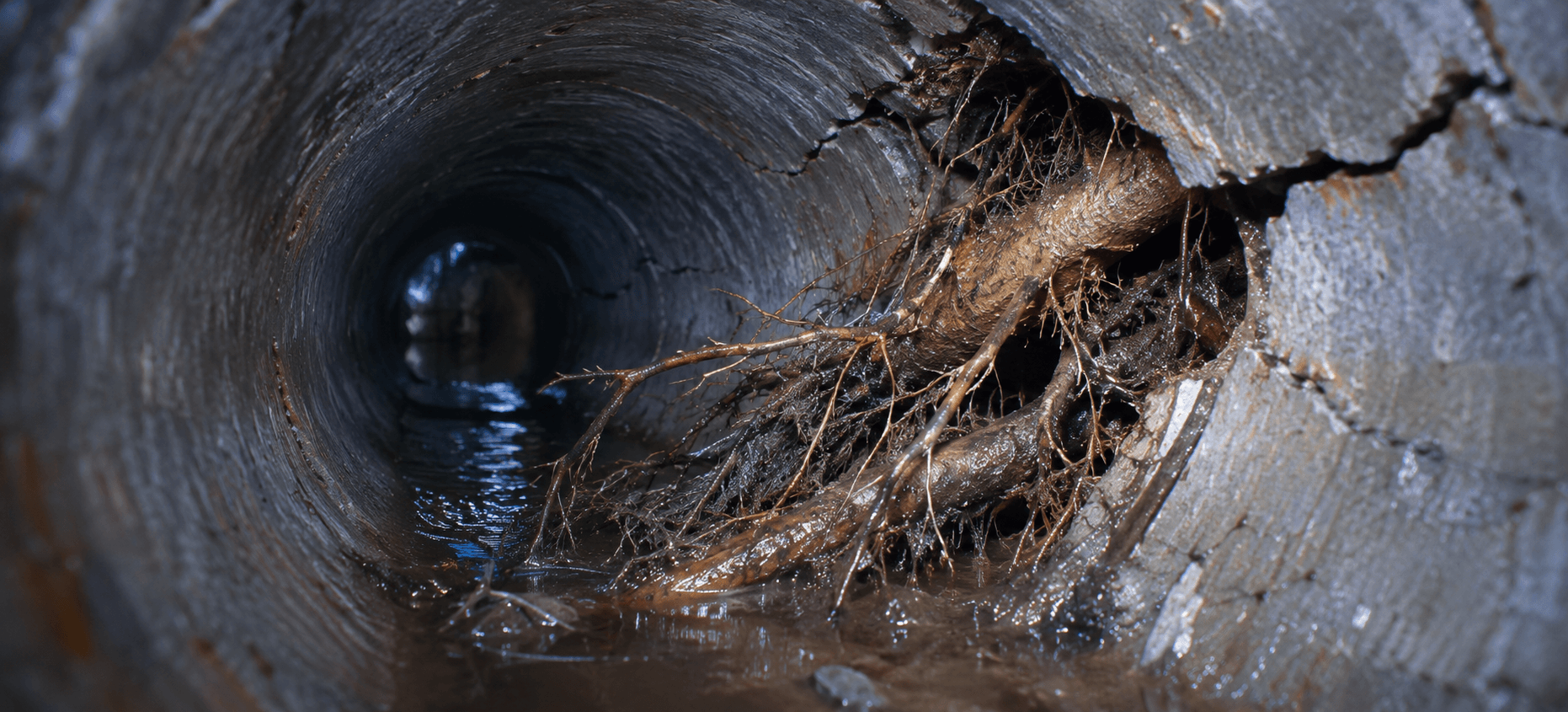
Tree roots are a common cause of recurring drainage problems. They can enter through small openings or defective joints and gradually grow inside the pipe.
As roots expand, they may trap waste, restrict water flow and contribute to further pipe damage.
A camera inspection can show where roots have entered and how extensively they affect the drain. Understanding the signs of tree roots in drains and how to fix them can help property owners recognise the problem early and determine which repair options may be suitable.
Cracked, Broken or Damaged Pipes
Pipes can deteriorate due to age, ground movement, external pressure or other forms of physical damage.
A camera may reveal cracks, fractures, displaced joints or sections where the pipe has lost its structural integrity.
The severity and location of the damage help determine whether a localised repair, trenchless pipe relining or pipe replacement is appropriate.
Not every visible crack requires the same solution. Where the pipe is structurally suitable, trenchless pipe relining in Melbourne can provide a way to repair certain damaged pipes without extensive excavation.
Grease, Sludge and Debris Build-Up
Grease, soap residue, hair, food waste and other materials can gradually accumulate inside drainage pipes.
This build-up reduces the space available for wastewater to flow and may eventually cause a blockage.
A CCTV inspection can help identify where material has accumulated and whether the pipe itself is damaged.
Where the problem is mainly a build-up of debris, professional drain cleaning may be sufficient. If the camera reveals an underlying defect, additional work may be needed to prevent the issue from returning.
Misaligned or Separated Pipe Joints
Drainage pipes can shift over time due to ground movement, poor installation or deterioration.
When joints become misaligned or separate, they can disrupt wastewater flow and allow soil or tree roots to enter the system.
A CCTV camera inspection of pipes can reveal visible joint defects and help the plumber assess whether they are contributing to the drainage problem.
Collapsed or Severely Restricted Pipes
In more serious cases, a pipe may be partially or completely collapsed.
A collapse can prevent wastewater from flowing normally and may cause repeated or severe blockages.
The camera may show a significant restriction or damaged section, although a completely blocked or inaccessible pipe can limit how far the inspection can proceed.
Depending on the severity, the solution may involve excavation and replacement or another suitable repair method.
Objects and Other Obstructions
Foreign objects, construction debris and unsuitable materials can also obstruct drains.
A camera can help identify the location and nature of an obstruction, allowing the plumber to determine the safest way to remove it.
If the inspection reveals an obstruction that needs professional clearing, 247 Drain’s blocked drain service can help address the blockage and investigate whether an underlying pipe issue also needs attention.
When Do You Need a CCTV Plumbing Inspection?
Not every slow drain requires a camera inspection. However, certain symptoms suggest that a closer look inside your pipes may be worthwhile.
You Keep Experiencing Recurring Blockages
If the same drain blocks repeatedly despite professional cleaning, there may be an underlying cause.
Tree roots, damaged joints, pipe deformation or persistent obstructions can allow blockages to return.
A CCTV plumbing inspection can help establish whether the issue is simply accumulated debris or something that requires a more lasting repair.
Multiple Drains Are Slow or Backing Up
When several fixtures are affected at the same time, the problem may be located in a shared drainage line rather than an individual sink or shower.
For example, a blocked section of the main drain could affect wastewater flow from multiple areas of the property.
An inspection can help trace the problem and determine where further investigation or clearing is required.
You Notice Unpleasant Drain Smells
Persistent sewer-like smells may indicate a drainage issue, although odours can also come from dry traps, ventilation problems or other plumbing faults.
If the smell continues after obvious causes have been addressed, an inspection may help identify waste build-up, stagnant water or visible pipe defects.
The camera will not diagnose every possible source of an odour, but it can help investigate certain drain-related problems.
You Suspect Tree Root Intrusion
Properties with established trees near underground drainage lines may be vulnerable to root intrusion, particularly where pipes have defective joints or existing damage.
Warning signs include recurring blockages, slow drainage and problems concentrated around the same section of the system.
A camera inspection can help locate visible root intrusion and assess the affected pipe before the appropriate removal or repair method is selected.
You Are Buying or Renovating a Property
A pre-purchase drain inspection may be useful when you want a better understanding of the underground drainage system before buying a property.
It can also help assess existing drains before major landscaping, building work or renovations.
Although an inspection cannot guarantee that every hidden defect will be detected, it can reveal visible problems that might otherwise remain unnoticed.
CCTV Drain Inspection vs Traditional Drain Clearing
Both camera inspections and conventional drain clearing have a place in professional plumbing. They serve different purposes, and one does not automatically replace the other.
| Feature | CCTV drain inspection | Traditional drain clearing |
|---|---|---|
| Main purpose | Identify visible internal problems | Remove or break up blockages |
| How it works | Uses a camera to examine the pipe | Uses suitable clearing equipment |
| Finds root intrusion | Can reveal visible roots | May remove roots, depending on equipment and conditions |
| Detects pipe damage | Can show visible defects | Does not usually provide a direct visual assessment |
| Best suited for | Diagnosis and targeted repair planning | Restoring flow through a blocked drain |
| Can both be needed? | Yes | Yes |
For example, high-pressure water jetting may clear grease and debris, restoring normal flow. A subsequent camera inspection may be useful if the blockage was severe, recurring or suspected to involve pipe damage.
Likewise, a camera may identify a root-infested section, but the inspection itself does not remove the roots.
The right approach depends on the cause of the problem. Sometimes clearing the drain is enough. In other cases, inspection is the key to understanding why the blockage occurred in the first place.
What Happens After a CCTV Drain Camera Survey?
The inspection results determine what happens next. Your plumber should explain the findings and recommend work that addresses the actual problem.
If the Drain Is Blocked but the Pipe Is in Good Condition
If the camera reveals a build-up of grease, sludge or other removable material without obvious structural damage, professional drain clearing may be the most suitable option.
Depending on the blockage, the plumber may use mechanical equipment or high-pressure water jetting.
If Tree Roots Are Present
Root intrusion often requires the roots to be removed and the condition of the pipe assessed.
Simply clearing the roots may restore flow, but it may not address the opening that allowed them to enter. While killing tree roots in sewer pipes with chemical treatments may seem like a convenient fix, it does not necessarily repair the damaged joints or cracks that allowed the roots to get inside.
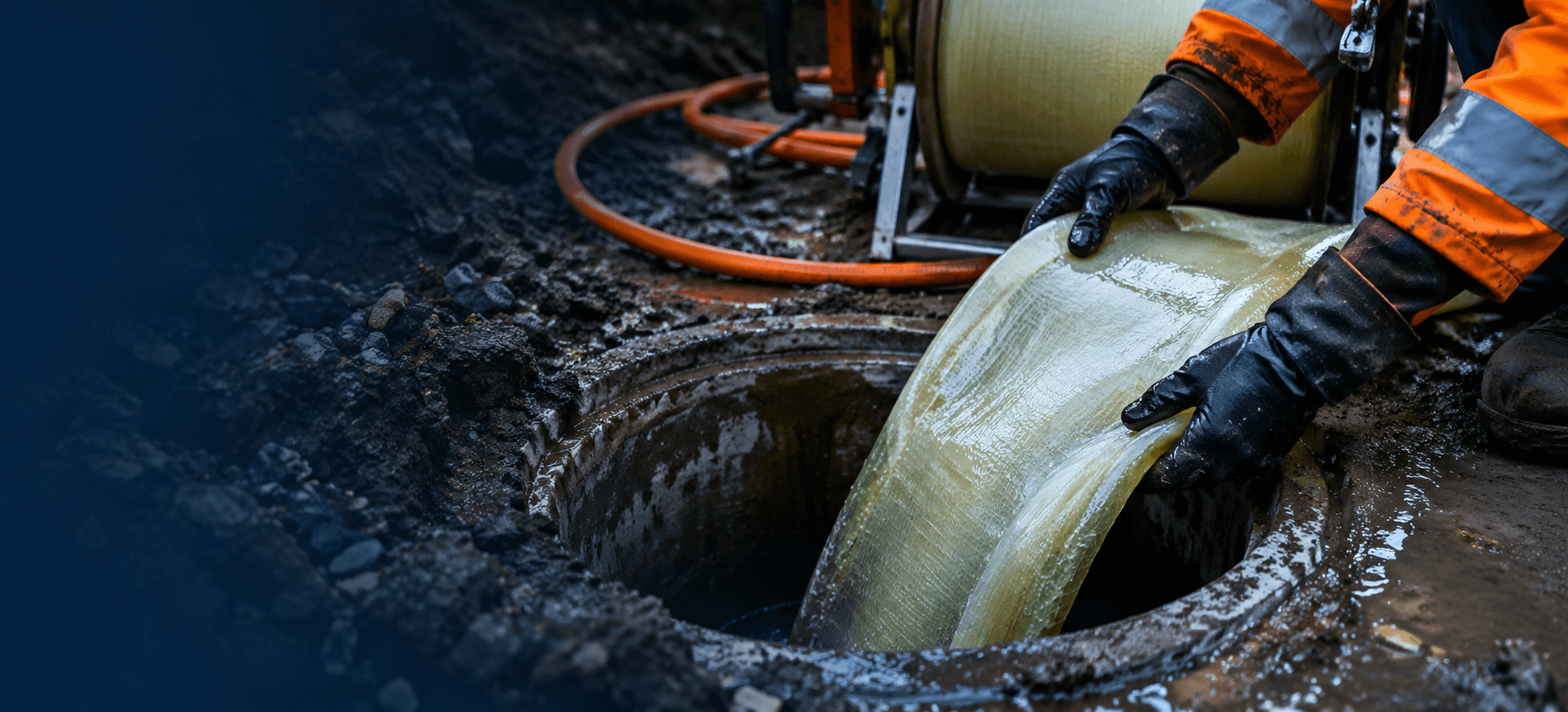
Where the pipe has a suitable structure and the damage meets the relevant requirements, trenchless relining may be an option.
If the Pipe Is Cracked or Damaged
The recommended solution depends on the location, extent and type of damage.
A localised defect may be suitable for a targeted repair, while more extensive deterioration may require relining or replacement.
The plumber should explain the available options, their limitations and whether additional investigation is needed before work begins.
If the Cause Is Still Unclear
Sometimes the camera cannot pass beyond a severe blockage, or the inspection reveals a problem that needs further assessment.
In these situations, the plumber may recommend clearing the obstruction first, accessing another section of the system or carrying out additional diagnostic work.
A good inspection should make the next step clearer, even when it cannot provide a complete answer immediately.
How Much Does a CCTV Drain Inspection Cost in Melbourne?
The cost of a CCTV drain inspection in Melbourne depends on the scope of the job and the conditions at the property.
Factors that may affect the price include:
- Accessibility: Whether the drain has a suitable inspection opening.
- Drain length and layout: How much of the system needs to be inspected.
- Existing blockages: Whether the drain must be cleared before the camera can pass through.
- Complexity: Whether locating, documenting or investigating a suspected defect requires additional work.
- Additional services: Whether cleaning, repairs or follow-up inspections are needed.
A straightforward inspection of an accessible drain may be less involved than investigating a severely blocked or difficult-to-access underground line.
It is also important to understand what the quoted service includes. The inspection fee may be separate from the cost of clearing a blockage or repairing damaged pipework. Knowing the typical CCTV drain inspection costs in Melbourne and what affects pricing can help you compare quotes and understand what is included before committing to the service.
When comparing quotes, ask what the inspection covers, whether any additional charges may apply and whether the findings will be explained before repair work is recommended.
Is a CCTV Drain Inspection Worth It?
A CCTV drain inspection can be worthwhile when the cause of a drainage problem is unclear, blockages keep returning or you suspect damage inside an underground pipe.
Its main value is helping you make a better-informed decision.
Without an internal inspection, you may know that a drain is blocked but not whether the problem comes from roots, debris, a damaged joint or another defect. A camera can provide evidence that helps guide the next step.
However, an inspection is not necessary for every minor blockage. If a single sink is slow because of a simple, accessible obstruction, routine cleaning may be sufficient.
The decision should be based on the symptoms, the history of the problem and the likely benefits of examining the pipe.
The Victorian Building and Plumbing Commission’s guidance on drain inspections also explains the importance of inspecting below-ground drainage work for compliance. Although regulatory inspections differ from a diagnostic CCTV service, the guidance provides useful local context on drainage systems and pipe condition.
The goal is not simply to carry out an inspection. It is to identify the problem as accurately as possible and choose an appropriate way to address it.
Sewer CCTV Inspection: What Is Your Plumber Looking For?
A sewer CCTV inspection focuses on the internal condition of sewer pipes and associated drainage lines.
During the inspection, the plumber may look for root intrusion, displaced joints, cracks, accumulated waste, restrictions and other visible defects.
The findings can help establish whether the issue is likely to be caused by a blockage, a structural defect or a combination of problems.
The distinction matters because a blocked sewer does not always mean the pipe is damaged, and a damaged pipe may continue to cause trouble even after a blockage has been cleared.
If tree roots are identified, the appropriate treatment will depend on the severity of the intrusion and the condition of the pipe. Chemical root treatments are not a universal solution and may not resolve the underlying structural problem.
Understanding sewer CCTV inspections and what your plumber looks for can help clarify how camera findings guide the diagnosis and determine which repairs may be necessary.
Book a CCTV Drain Inspection in Melbourne with 247 Drain
Recurring blockages, slow drains and unexplained drainage issues can be frustrating, especially when the same problem keeps coming back.
A professional CCTV drain inspection can help identify visible problems inside your pipes, reduce guesswork and establish which repair or clearing options are worth considering.
At 247 Drain, we help Melbourne property owners investigate drainage problems and determine the next steps based on the condition of their drains.
Whether you suspect tree roots, have a recurring sewer blockage or want to check an underground pipe before starting renovation work, our team can help assess your situation.
Book a CCTV drain inspection with 247 Drain today. There is no call-out fee, so you can take the next step towards understanding your drainage problem.