Trenchless Pipe Relining in Melbourne: The Complete Homeowner's Guide
A damaged underground drain can be a headache for any homeowner, particularly when the affected pipe runs beneath a driveway, landscaped garden or concrete floor. Traditional repairs may require excavation to reach the damaged section, adding disruption and reinstatement costs to the job.
Trenchless pipe relining offers an alternative for suitable drainage systems. Instead of digging up the entire damaged pipe, a specialist installs a new lining inside the existing pipe, creating a durable internal surface that can restore its function.
For Melbourne homeowners dealing with recurring drainage problems, ageing sewer pipes or suspected underground damage, relining may provide a practical way to repair the drain while keeping excavation to a minimum.
However, it is not the right solution for every pipe. The condition of the existing drain, the extent of the damage and the layout of the system all influence whether relining is suitable.
In this guide, we explain how trenchless pipe relining works, when it makes sense, what affects the cost and how to determine whether your property is a good candidate for this type of repair.
What Is Trenchless Pipe Relining?
Trenchless pipe relining is a method of repairing certain damaged pipes from the inside rather than excavating and replacing the entire pipe.
The process typically involves preparing the existing drain, inserting a resin-impregnated liner or another suitable lining system, and allowing the material to cure or form a new internal surface. Once installed, the lining creates a continuous pipe within the existing structure.
This technique is commonly used for suitable sewer and drainage pipes affected by cracks, leaking joints, root intrusion or deterioration.
The main advantage is that the repair can often be completed with access through existing openings or a small number of access points. That can reduce the need to disturb driveways, paths, gardens and other finished surfaces.
For homeowners considering pipe relining services in Melbourne, the important question is whether the existing pipe can support a successful repair using this method.
Relining does not simply cover every drainage problem. The pipe must be assessed first to determine whether the damage, shape and condition are compatible with the proposed system.
How Does Underground Pipe Relining Work?
Although the exact procedure varies according to the lining system and pipe conditions, underground pipe relining generally involves several stages.
1. Inspecting the Existing Drain
Before any repair begins, the plumber needs to establish what is happening inside the pipe.
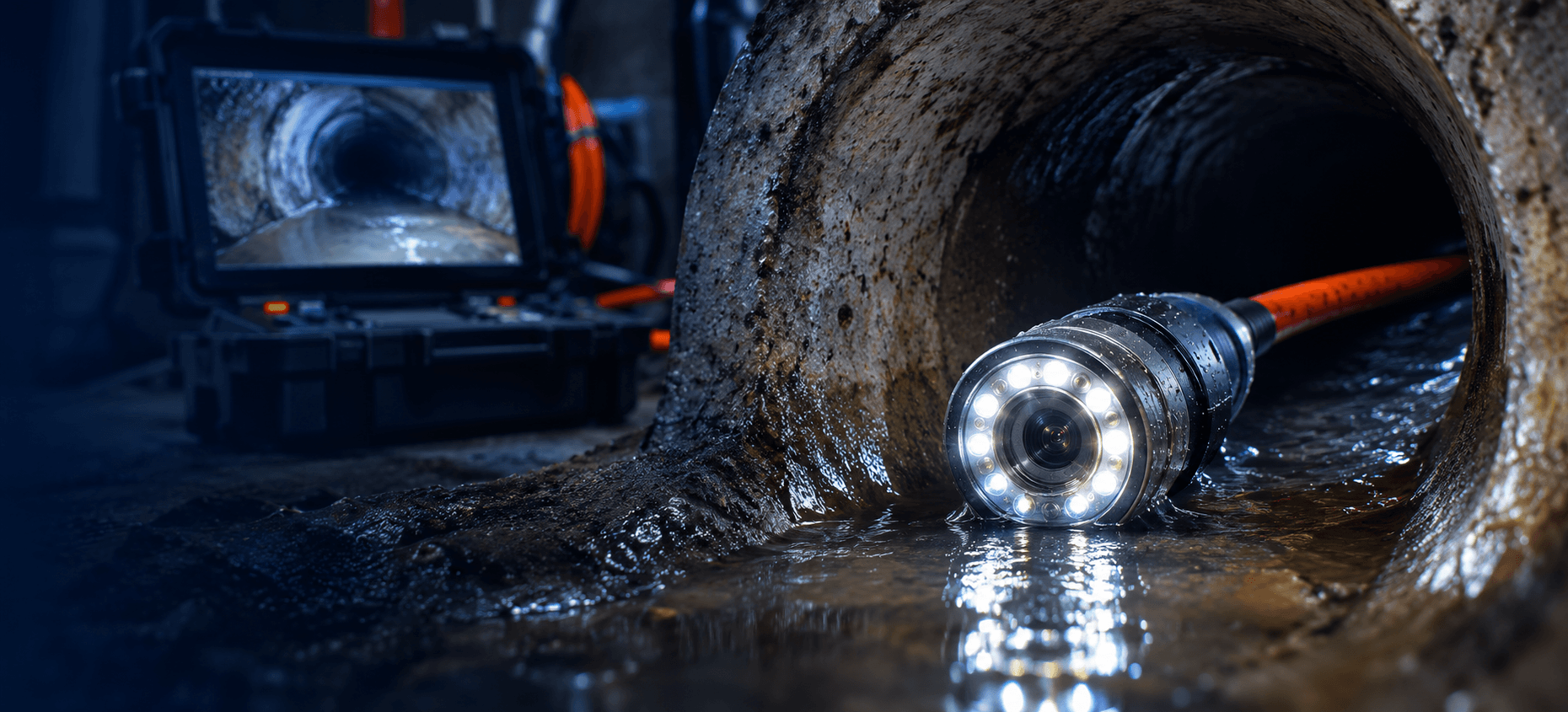
A CCTV camera inspection can help identify cracks, root intrusion, displaced joints, corrosion and other visible defects. It also helps determine the location and extent of the damage.
The inspection findings guide the repair plan, including the type of lining that may be appropriate and whether the pipe requires additional preparation.
For homeowners unsure whether their drain needs relining or a different repair, a CCTV drain inspection in Melbourne can help establish the condition of the pipe before a repair method is selected.
2. Cleaning and Preparing the Pipe
The existing drain must generally be cleaned before a lining can be installed.
Depending on the condition of the pipe, preparation may involve removing accumulated debris, grease, scale or tree roots. Mechanical equipment or high-pressure water jetting may be used where appropriate.
This stage is important because obstructions can interfere with the installation process and prevent the liner from forming the intended fit.
If the pipe has severe deformation, a major collapse or another obstruction that cannot be adequately cleared, relining may not be feasible without additional work.
3. Installing the Liner
Once the pipe is prepared, the selected lining system is inserted into the damaged section.
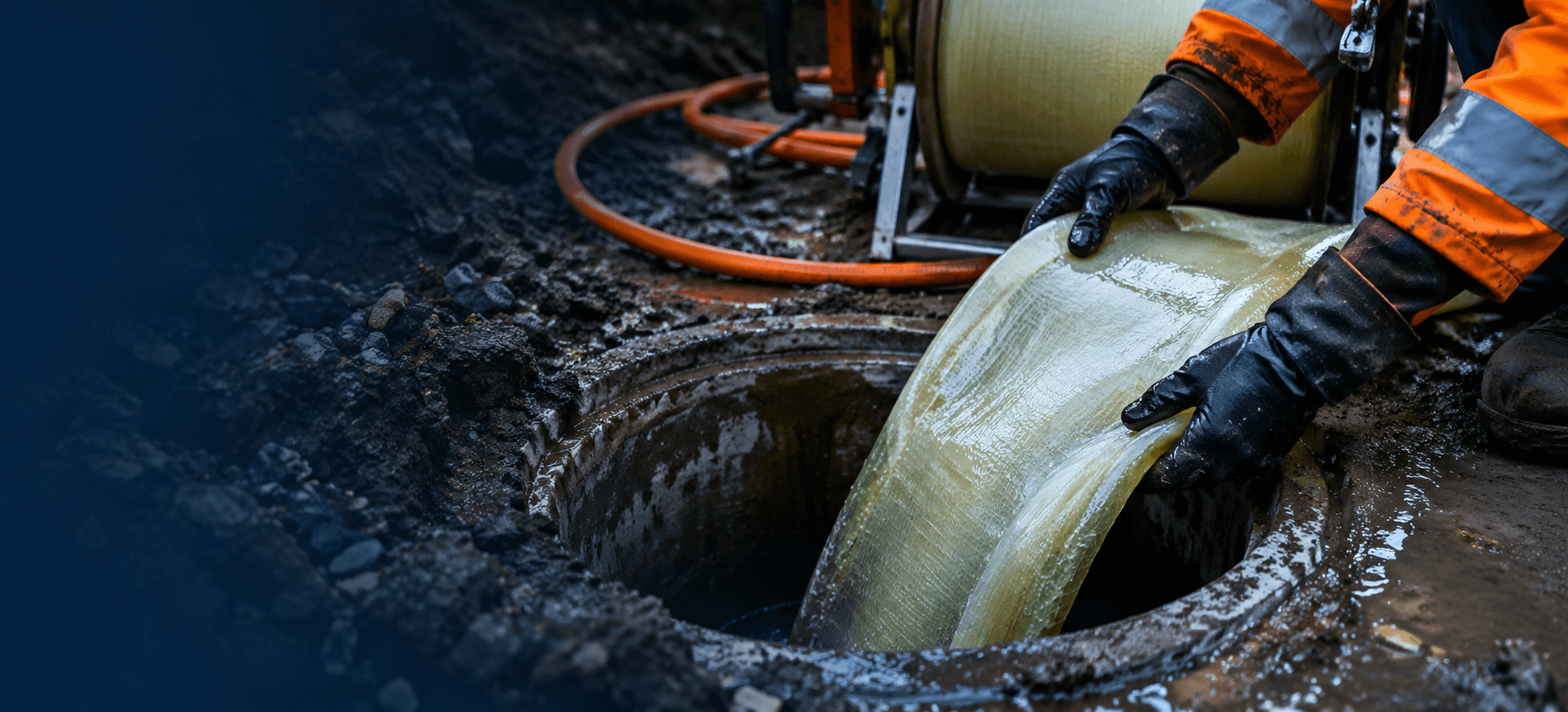
One common method uses a flexible liner impregnated with resin. The liner is positioned within the existing pipe and expanded against its internal walls using the installation system.
Other methods use different materials or installation techniques, depending on the pipe configuration and repair requirements.
The objective is to create a new internal lining that bridges suitable defects and restores the pipe's ability to carry wastewater.
4. Curing the Lining
For systems that use curable resin, the liner must harden according to the manufacturer's specifications and installation requirements.
The curing process allows the lining to form a solid internal structure. The required time and method depend on the materials, equipment and site conditions.
The plumber should follow the specified installation process to ensure the lining develops the intended properties.
5. Checking the Completed Repair
After installation, the repaired section may be inspected to assess the result and confirm that the pipe is functioning as intended.
A follow-up camera inspection can help check the visible condition of the liner, including its continuity and the presence of any obvious defects.
The completed work should also be assessed against the requirements applicable to the particular drainage system and installation.
When Is Pipe Relining a Good Option?
Pipe relining can be an effective repair option in the right circumstances. The following situations may warrant an assessment.
Cracked or Leaking Drain Pipes
Small cracks and defective joints can allow wastewater to escape from a pipe or permit surrounding material to enter it.
Depending on the type and extent of damage, a suitable lining may bridge these defects and create a continuous internal surface.
However, not every crack can be repaired by relining. Extensive structural failure or severe deformation may require a different solution.
Tree Root Intrusion
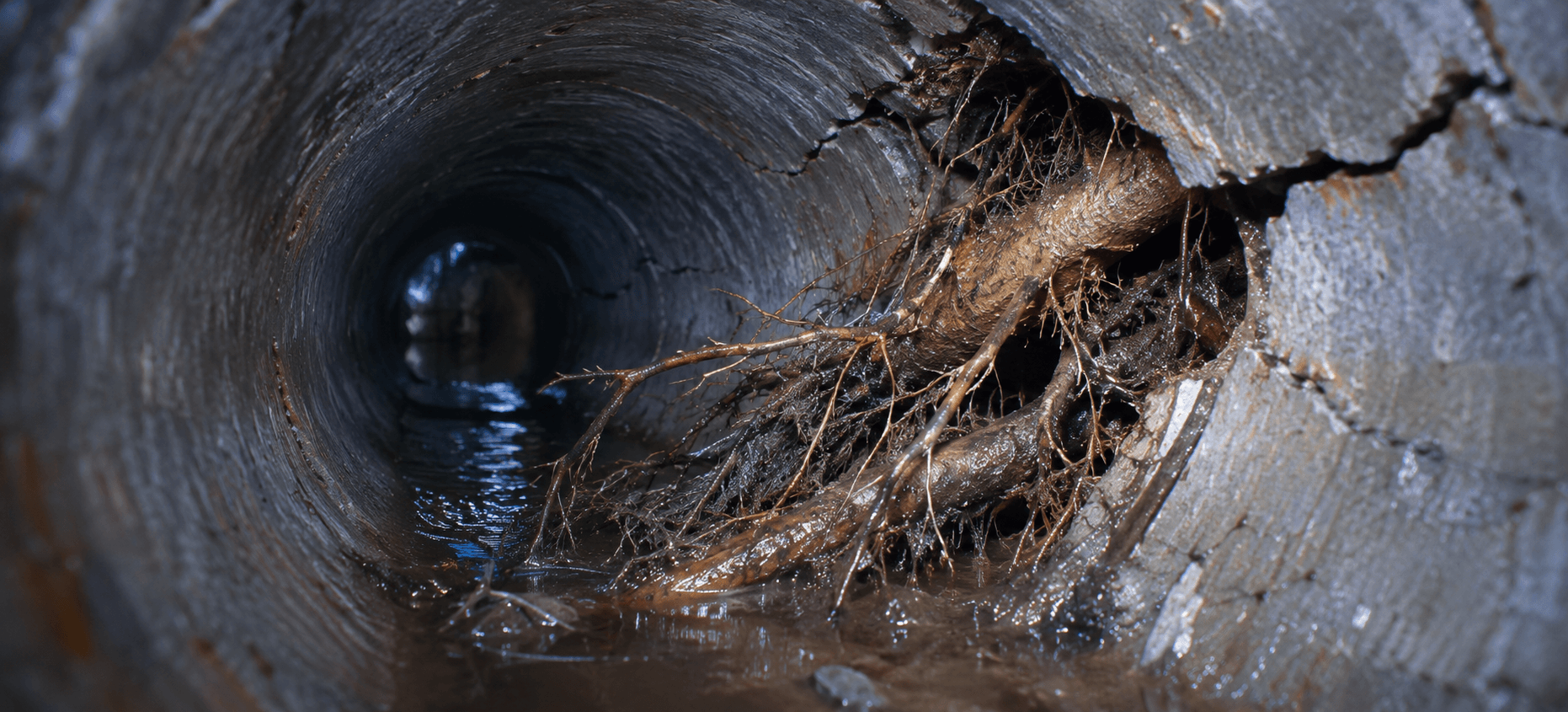
Tree roots can enter underground drains through openings at joints or damaged sections. As they grow, they can obstruct wastewater flow and contribute to further deterioration.
Removing the roots may restore flow, but the underlying entry point can remain.
Where the pipe is suitable for relining, installing a liner may help seal the affected section and reduce the likelihood of roots entering through the repaired defects.
The condition of the pipe must be assessed carefully, as severe root damage may leave it unsuitable for this method.
Ageing Clay or Cast-Iron Pipes
Older properties may have drainage systems made from clay, cast iron or other materials that deteriorate over time.
Age alone does not mean a pipe needs to be relined. The decision depends on its actual condition, including the presence of cracks, corrosion, defective joints and other damage.
For example, relining cast iron and clay sewer pipes requires consideration of the original pipe material, its remaining structural condition and the suitability of the proposed lining system.
An inspection can help establish whether the existing pipe is a suitable candidate for rehabilitation or whether replacement is more appropriate.
Pipes Beneath Driveways or Landscaped Areas
One of the main attractions of trenchless repair is the potential to avoid extensive excavation.
If a damaged drain runs beneath a driveway, paved entertainment area or established garden, digging it up can involve more than simply repairing the pipe. The affected surfaces may also need to be reinstated.
Where the pipe is accessible and structurally suitable, underground pipe relining may reduce this disruption.
That said, trenchless work does not guarantee a completely excavation-free job. Access openings or local excavation may still be necessary, depending on the condition and layout of the drain.
When Is Trenchless Pipe Relining Not Suitable?
Although relining can solve many drainage problems, it has limitations. A responsible recommendation should account for the condition of the existing pipe rather than treating relining as a universal fix.
Severely Collapsed Pipes
A lining system generally needs a suitable path through the existing pipe and an appropriate internal shape.
If a drain has completely collapsed or is severely deformed, it may not be possible to insert the liner or achieve the required result without additional work.
In such cases, excavation and replacement of the damaged section may be necessary.
Pipes With Significant Structural Movement
If the surrounding ground is moving or the pipe has shifted substantially, the cause of that movement may need to be addressed.
A lining may be unsuitable if the pipe cannot provide the required support or if the underlying conditions could compromise the repair.
The plumber should assess the extent of the movement before recommending a solution.
Incorrect Pipe Shape or Inaccessible Sections
Some drains have sharp bends, complex junctions or configurations that are unsuitable for a particular lining method.
Access can also be an issue if the damaged section cannot be reached with the required equipment.
An alternative repair method may be more appropriate when the proposed lining cannot be installed reliably.
Problems That Require Replacement
In some cases, the most practical long-term option is to remove the damaged section and install a replacement pipe.
This may apply when the pipe has extensive structural failure or cannot be repaired to the required standard using a lining system.
If you are weighing up the options, pipe relining versus digging up the yard comes down to the condition of the drain, the accessibility of the damage and the likely disruption and cost of each approach.
What Are the Main Benefits of Pipe Relining?
The suitability of a repair always comes first, but trenchless relining offers several potential benefits when the existing pipe can be rehabilitated successfully.
- Less excavation: Accessing the damaged section from within the pipe can reduce the need to dig up large areas.
- Reduced surface disruption: Gardens, driveways, paving and other finished surfaces may be left largely undisturbed.
- A targeted repair: The work focuses on the affected pipe section rather than automatically replacing the entire line.
- A continuous internal lining: Suitable systems create a new internal surface across the repaired section.
- Potentially shorter restoration work: Avoiding extensive excavation can reduce the amount of landscaping or paving that needs to be reinstated.
The actual benefits depend on the job. Difficult access, extensive cleaning, additional excavation or complex pipe damage can affect both the time required and the overall cost.
It is also worth remembering that relining does not necessarily increase the pipe's internal diameter. The lining occupies some of the existing space, so the final dimensions and hydraulic performance should be considered as part of the repair design.
Pipe Relining Methods: Which One Is Right for Your Property?
Not all pipe relining systems work in the same way. The appropriate method depends on the pipe's dimensions, the type of damage, access conditions and the requirements of the job.
Cured-in-Place Pipe Lining (CIPP)
Cured-in-place pipe lining, commonly called CIPP, uses a flexible liner that is installed inside the existing pipe and cured to form a hardened internal lining.
It is used in a range of suitable drainage rehabilitation projects and can be installed through an appropriate access point.
The installation method and resin system vary, so the proposed process should be explained before work begins.
Epoxy-Based Lining Systems
Epoxy-based systems use resin to create a lining inside the existing pipe. The preparation process, application method and final characteristics depend on the specific product and system.
It is important to distinguish between different lining technologies rather than assuming all epoxy systems are installed in the same way.
Slip Lining
Slip lining involves inserting a new pipe into an existing host pipe. It differs from methods that form a liner directly against the internal surface.
Because the new pipe occupies space inside the old one, the reduction in internal diameter can be an important consideration.
The best choice depends on the pipe's condition, available space, flow requirements and the repair objectives. Comparing epoxy, CIPP and slip-lining methods can help homeowners understand the differences before deciding which proposal best suits their drainage system.
How Much Does Trenchless Pipe Relining Cost in Melbourne?
The cost of trenchless pipe relining in Melbourne varies from one job to another. A quote should account for the actual condition of the drain, the lining method and the work needed to prepare and repair the pipe.
Several factors can influence the price.
- Length of the damaged section: Longer sections generally require more materials and installation work.
- Pipe diameter: Larger pipes may require different equipment and more lining material.
- Access requirements: Difficult access or the need to create an access point can add to the job.
- Pipe preparation: Root removal, heavy deposits and other obstructions may need to be dealt with first.
- Damage severity: Extensive defects may require additional work or make relining unsuitable.
- Lining method: Different systems involve different materials, equipment and installation procedures.
The cheapest quote is not always the best value. Homeowners should understand what is included, whether preparation and follow-up inspection are covered, and what happens if the plumber discovers additional damage during the work.
For a closer look at these pricing variables, the factors affecting pipe relining costs in Melbourne are worth considering before comparing quotes.
A reliable quote should be based on an assessment of the actual drain rather than a generic estimate alone.
Pipe Relining vs Traditional Drain Repairs
Relining is one option for damaged pipes, but conventional repairs still have an important role.
A targeted excavation may be the most appropriate solution when damage is isolated and accessible. Replacing a section of pipe can also be preferable when the existing structure is too deteriorated to support a lining.
In other cases, relining may help avoid extensive excavation and reinstatement.
The decision should account for:
- The location and extent of the damage.
- The condition of the surrounding pipe.
- Whether the drain is suitable for a lining system.
- The accessibility of the damaged section.
- The expected durability and requirements of the proposed repair.
- The total scope of work, including preparation and reinstatement.
If the assessment indicates that relining is not suitable, professional drain repair services can help determine an appropriate alternative.
For below-ground sewer work in Victoria, the Building and Plumbing Commission's guidance on property sewer drains outlines relevant requirements for drainage work, including inspections and compliance documentation. The specific requirements depend on the work being undertaken.
How to Prepare for a Pipe Relining Quote
Before committing to a repair, it is worth making sure you understand the proposed work and why it is being recommended.
Start by arranging an assessment of the drainage system. A CCTV inspection can help identify the location and nature of visible defects and determine whether relining is likely to be feasible.
Once the drain has been assessed, ask the plumber:
- Which section of the pipe needs repair?
- What evidence shows that relining is suitable?
- Which lining method will be used, and why?
- Does the quote include cleaning, root removal and preparation?
- Will a post-installation inspection be carried out?
- Are any access works or additional repairs likely to be required?
- What warranty applies to the installation, and what does it cover?
These questions can help you compare proposals on more than price alone.
It is also sensible to ask what happens if the initial inspection reveals a collapsed section or another issue that prevents the planned lining from being installed.
Clear answers upfront can help avoid surprises once the work is underway.
Get a Trenchless Pipe Relining Quote in Melbourne
If your underground drain is damaged, you do not necessarily need to dig up the entire affected area to repair it. For suitable pipes, trenchless relining can provide an alternative to conventional excavation and replacement.
The first step is to establish what condition the pipe is in and whether the damage can be repaired using a lining system.
Arrange a CCTV inspection first, then request a pipe relining quote if the findings indicate that relining is suitable. This allows the proposed repair to be based on the condition of your drain rather than guesswork.
Whether your property has ageing sewer pipes, recurring root intrusion or damage beneath a driveway, a proper assessment can help you understand the available options and choose the right next step.