Hydrojetting vs Drain Snake: Which Method Is Right for Your Blockage?
A clogged drain can quickly become a major inconvenience, causing slow drainage, unpleasant odors, and even potential water damage. When a plunger isn’t enough to solve the problem, professional plumbers typically recommend two effective solutions: drain snaking and hydrojetting.
Although both methods are designed to clear blocked drains, they work differently and are suitable for different types of clogs. Understanding their differences can help you choose the most effective solution for your plumbing issue.
What Is Drain Snaking?
Drain snaking, also known as drain augering, uses a long, flexible cable with a specialized tip that is inserted into the drain. The cable rotates to break apart, hook, or push through obstructions, restoring the flow of water.
Drain Snaking Is Best For:
- Hair clogs in bathroom sinks and showers
- Food particles causing kitchen sink blockages
- Paper and minor toilet clogs
- Localized and recently formed obstructions
Advantages of Drain Snaking
- Quick and affordable solution for minor clogs
- Minimal setup and disruption
- Effectively restores drainage in most simple blockages
- Suitable for emergency drain clearing
Limitations of Drain Snaking
- Does not completely clean the inside of the pipe
- May leave grease, soap scum, and debris behind
- Less effective for recurring blockages
- Limited ability to remove tree roots and severe buildup
What Is Hydrojetting?
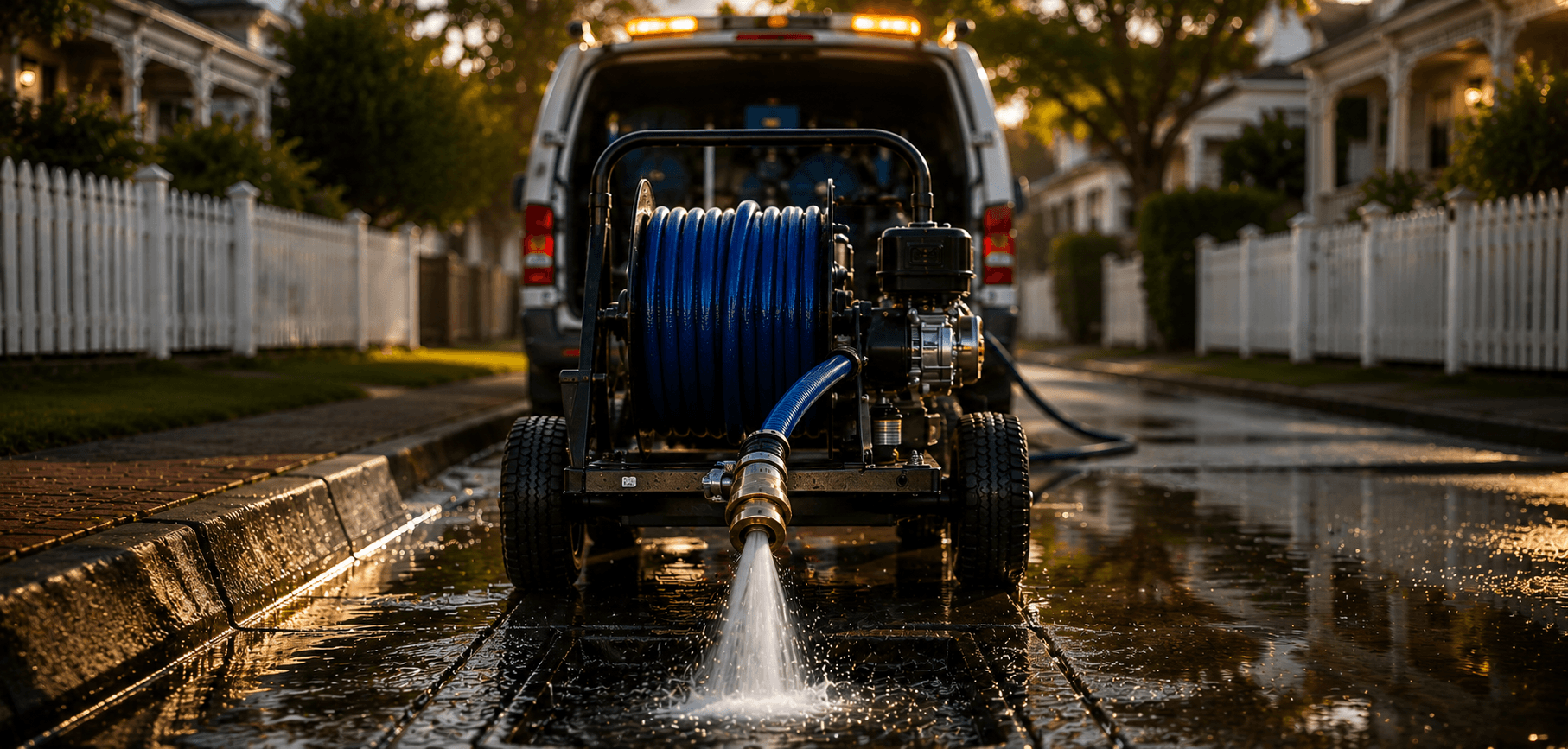
Hydrojetting is an advanced drain cleaning technique that uses highly pressurized streams of water to thoroughly clean the inside of plumbing pipes. Instead of merely creating a pathway through the clog, hydrojetting removes accumulated grease, sludge, mineral deposits, and debris from the pipe walls.
Hydrojetting Is Best For:
- Recurring drain and sewer line blockages
- Grease and sludge buildup inside pipes
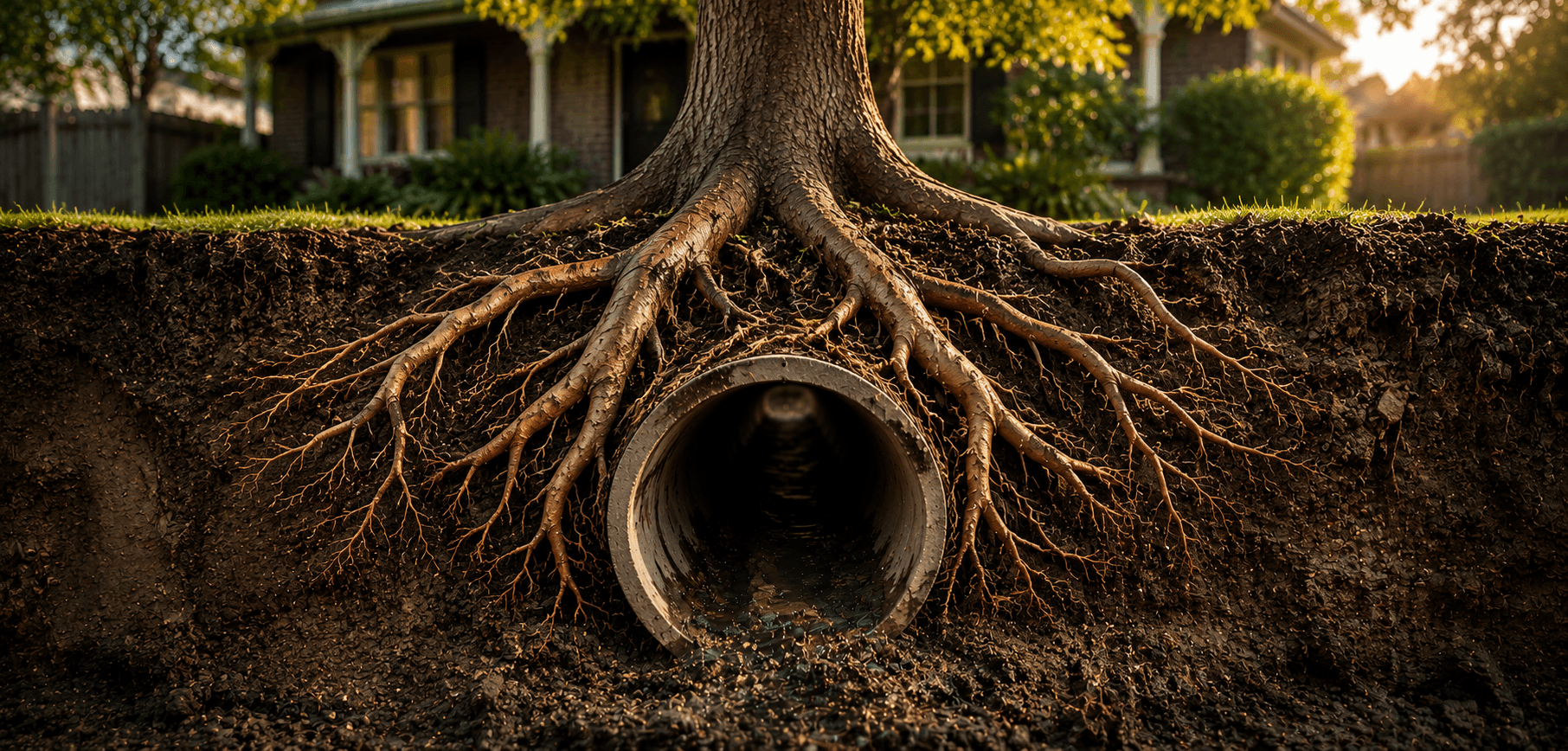
- Tree root intrusion in sewer systems
- Commercial plumbing systems with heavy usage
- Preventive maintenance and deep pipe cleaning
Advantages of Hydrojetting
- Provides a complete and thorough pipe cleaning solution
- Effectively removes stubborn buildup and debris
- Reduces the likelihood of future clogs
- Environmentally friendly because it uses only water
- Suitable for both residential and commercial plumbing systems
Limitations of Hydrojetting
- Typically more expensive than drain snaking
- Requires professional equipment and expertise
- May not be suitable for severely damaged or aging pipes
- Usually requires a pipe inspection before service
Hydrojetting vs Drain Snake: Key Differences
Drain Snake: Ideal for minor and isolated clogs, offering a quick and cost-effective solution but providing limited pipe cleaning.
Hydrojetting: Best for stubborn, recurring, or severe blockages, delivering a deep clean that removes buildup and helps prevent future drainage issues.
When Should You Choose a Drain Snake?
You should consider drain snaking if your blockage is minor, has developed recently, or is caused by hair, soap residue, food particles, or paper products. It is an efficient and economical option for restoring water flow quickly.
When Should You Choose Hydrojetting?
Hydrojetting is the better choice if you experience frequent drain backups, persistent odors, slow drainage in multiple fixtures, or suspect grease buildup and tree root intrusion. It offers a long-term solution by thoroughly cleaning the entire pipe.
Final Thoughts
Both hydrojetting and drain snaking are highly effective plumbing solutions, but the right choice depends on the type and severity of your blockage. For simple clogs, a drain snake is often sufficient and cost-effective. For recurring or severe blockages, hydrojetting provides a deeper, more comprehensive cleaning that can significantly improve the health and performance of your plumbing system.
If you’re unsure which method is right for your situation, consulting a professional plumber can help identify the root cause of the blockage and recommend the most effective solution.